
Network

What is a Local Area Network? Check Out Its Functions and Examples
What is a Local Area Network? Check Out Its Functions and Examples

In today’s interconnected world, the concept of a Local Area Network (LAN) plays a critical role in how we share resources and communicate within confined environments. Whether at home, in schools, or in businesses, LANs provide a foundation for seamless connectivity and collaboration. But what exactly is a Local Area Network? This article explores the definition, functions, and real-world applications of LANs, providing you with a comprehensive understanding of their significance.

What is a Local Area Network (LAN)?

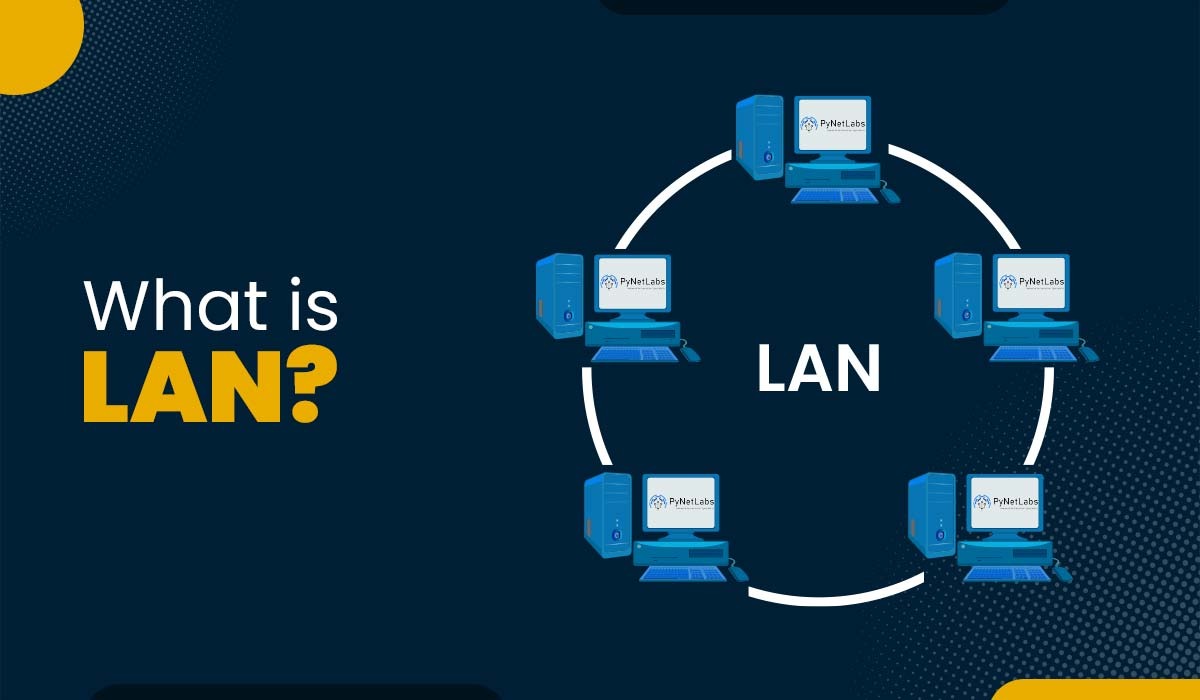
A Local Area Network (LAN) is a network that connects multiple devices within a limited geographic area, such as a home, office, or campus. The primary purpose of a LAN is to enable devices to share resources like files, printers, and internet connections. Unlike Wide Area Networks (WANs), which cover large geographic regions, LANs are typically restricted to a single building or a closely connected group of buildings.

LANs are characterized by their high speed, low latency, and cost-effective infrastructure. They form the backbone of modern workplaces and homes, ensuring efficient communication and resource sharing among connected devices.

Components of a LAN

To understand how a LAN operates, it’s essential to recognize its core components:

  1. Devices:
    • Computers, laptops, smartphones, printers, and other devices that are connected within the network.
  2. Networking Hardware:
    • Routers: Direct data traffic and manage connections to external networks.
    • Switches: Connect multiple devices within the LAN, ensuring efficient data transfer.
    • Access Points: Enable wireless connectivity for devices within the network.
  3. Cabling:
    • Ethernet cables are commonly used to establish physical connections between devices.
  4. Software:
    • Operating systems and network management tools that facilitate communication and resource sharing.
  5. Protocols:
    • Rules governing data transmission, such as TCP/IP and Ethernet protocols.

Functions of a Local Area Network

LANs serve several crucial functions that make them indispensable in modern settings. These include:

  1. Resource Sharing:
    • LANs enable devices to share resources like printers, scanners, and storage drives, reducing the need for redundant equipment and lowering costs.
  2. Data Sharing:
    • Users within a LAN can easily share files and data, facilitating collaboration and productivity.
  3. Communication:
    • LANs support various communication tools, such as email servers, instant messaging platforms, and video conferencing applications.
  4. Centralized Management:
    • Administrators can manage resources, monitor network activity, and enforce security policies from a central location.
  5. Internet Access Sharing:
    • LANs allow multiple devices to share a single internet connection, optimizing bandwidth usage.
  6. Gaming and Entertainment:
    • LANs are often used for multiplayer gaming and streaming media content within households or gaming centers.

Types of Local Area Networks

LANs can be categorized based on their architecture and connectivity methods:

  1. Wired LAN:
    • Utilizes Ethernet cables to connect devices, offering high speed and reliability.
  2. Wireless LAN (WLAN):
    • Uses Wi-Fi technology to connect devices without physical cables, providing flexibility and ease of use.
  3. Virtual LAN (VLAN):
    • Creates logical subnets within a physical LAN to enhance network management and security.

Examples of Local Area Networks

  1. Home LANs:
    • Connect devices like computers, smartphones, smart TVs, and IoT devices to share files, stream media, and access the internet.
  2. Office LANs:
    • Facilitate communication and collaboration among employees, providing access to shared resources like printers, servers, and databases.
  3. School LANs:
    • Support educational tools, enable access to learning materials, and connect students and staff for collaborative projects.
  4. Retail LANs:
    • Connect point-of-sale systems, inventory databases, and security cameras to streamline operations.
  5. Gaming LANs:
    • Allow multiplayer gaming and competitions by connecting gaming consoles and PCs within a network.

Advantages of a Local Area Network

  1. High Speed:
    • LANs offer faster data transfer rates compared to WANs, making them ideal for high-demand applications.
  2. Cost-Effective:
    • Shared resources reduce the need for individual devices and equipment, lowering overall expenses.
  3. Enhanced Security:
    • LANs are easier to secure compared to larger networks, as they operate within a controlled environment.
  4. Ease of Maintenance:
    • Centralized management tools simplify network monitoring and troubleshooting.
  5. Scalability:
    • LANs can be easily expanded to accommodate new devices and users as needed.

Challenges of a Local Area Network

Despite their advantages, LANs also present some challenges:

  1. Limited Coverage:
    • LANs are confined to a small geographic area, making them unsuitable for larger-scale connectivity needs.
  2. Dependence on Hardware:
    • A failure in critical components like switches or routers can disrupt the entire network.
  3. Setup Costs:
    • While operational costs are low, initial setup costs for equipment and installation can be significant.
  4. Security Risks:
    • Unauthorized access or malware attacks can compromise the network if proper safeguards are not in place.

Future of Local Area Networks

The evolution of LAN technology continues to improve connectivity and performance. Emerging trends include:

  1. Wi-Fi 6 and Beyond:
    • New wireless standards promise faster speeds, lower latency, and better performance in crowded environments.
  2. IoT Integration:
    • LANs are increasingly used to connect IoT devices, enabling smart homes and offices.
  3. Software-Defined Networking (SDN):
    • SDN simplifies network management by decoupling hardware from software.
  4. Increased Automation:
    • Advanced tools are making it easier to configure, monitor, and maintain LANs with minimal human intervention.

Conclusion

A Local Area Network (LAN) is an indispensable tool in today’s digital landscape, enabling efficient communication, resource sharing, and centralized management within a confined area. Whether in homes, schools, or businesses, LANs enhance productivity and connectivity by linking devices seamlessly.

Understanding the functions, components, and applications of LANs can help you optimize their use in your environment. As technology advances, LANs continue to evolve, providing faster, smarter, and more secure networking solutions that adapt to modern needs. Whether you’re setting up a network for personal or professional use, a well-designed LAN can significantly enhance your digital experience.
What is a Network? Check Out the Functions and Examples

What is a Network? Check Out the Functions and Examples

In the modern world, the term “network” is ubiquitous. It is a foundational concept that underpins much of the technology and communication infrastructure we rely on daily. But what exactly is a network? What functions does it serve, and how is it applied in different contexts? This article delves into these questions, providing a comprehensive overview of networks, their roles, and examples to illustrate their importance.

What is a Network?

A network, at its core, is a system of interconnected entities designed to share resources and information. These entities can range from computers and servers to people and organizations. Networks enable communication, collaboration, and the efficient distribution of data across connected points. Depending on their design and purpose, networks can vary significantly in size, complexity, and application.

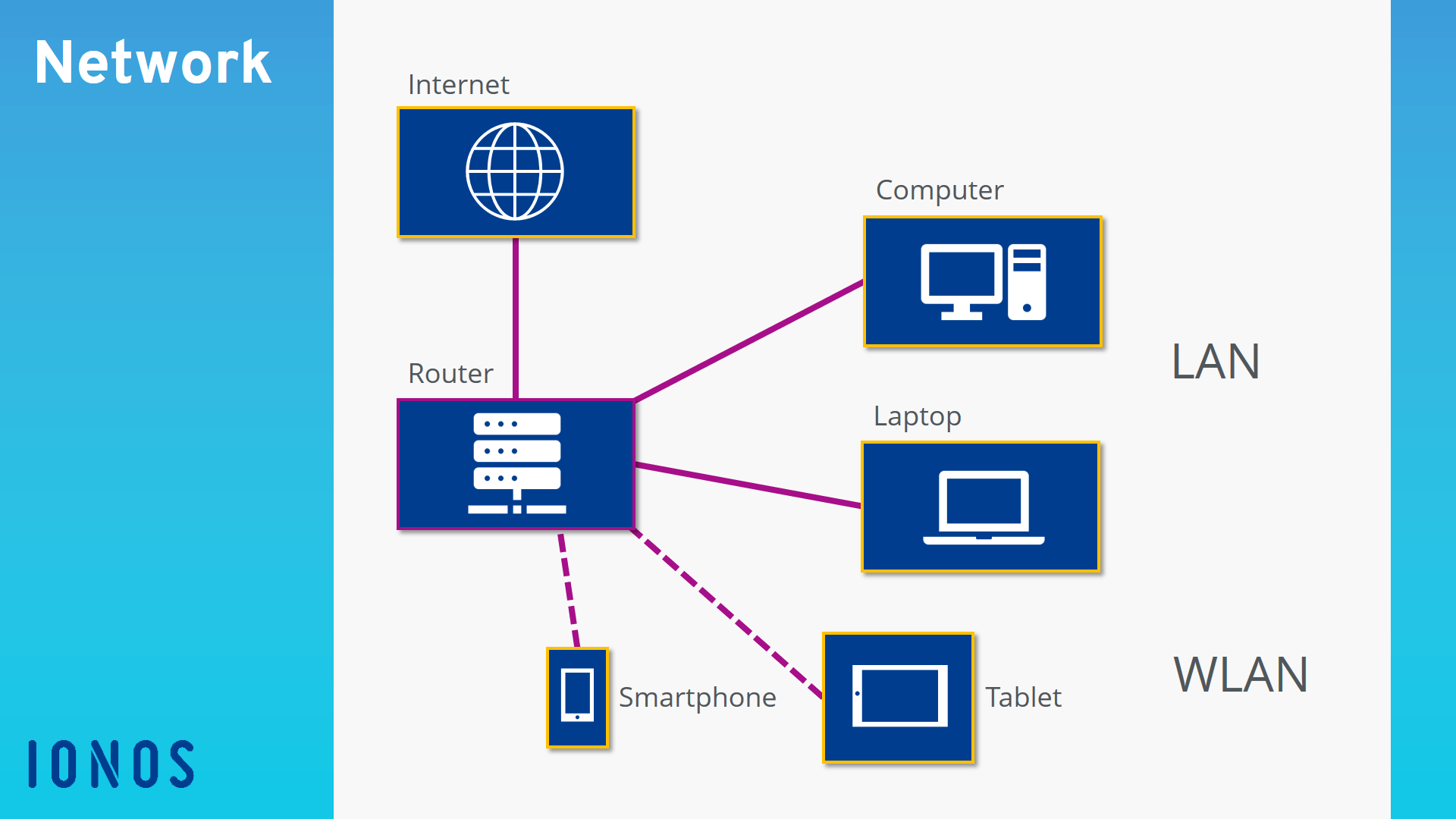
In the context of technology, a typically refers to a group of devices connected to one another to share data or resources. These devices could include computers, printers, smartphones, and servers. It can be as small as a home setup or as vast as the internet, which is the largest network in existence.

Types of Networks

Networks can be categorized based on their size, purpose, and architecture. Below are the most common types:

  1. Local Area Network (LAN): A LAN is a network confined to a small geographic area, such as a home, office, or school. It is commonly used to connect computers and devices within the same building for resource sharing and communication.
  2. Wide Area Network (WAN): A WAN covers a larger geographic area, often spanning cities, countries, or even continents. The internet is the best-known example of a WAN.
  3. Wireless Network (Wi-Fi): Wireless networks allow devices to connect without physical cables using radio waves. Wi-Fi is a common example, widely used in homes, businesses, and public spaces.
  4. Metropolitan Area Network (MAN): A MAN covers a city or a large campus and is larger than a LAN but smaller than a WAN. It often connects multiple LANs within its range.
  5. Personal Area Network (PAN): A PAN connects devices over a short range, typically around an individual. Examples include Bluetooth connections between a smartphone and a wireless headset.
  6. Virtual Private Network (VPN): A VPN extends a private network across a public one, enabling secure communication. It is commonly used for privacy and security when accessing the internet.

Functions of a Network

Networks play a crucial role in the modern world, providing several key functions that enhance efficiency, connectivity, and communication. Here are the primary functions of a network:

  1. Resource Sharing: Networks enable multiple devices to share resources such as printers, storage, and internet connections. This reduces costs and improves efficiency.
  2. Data Sharing and Communication: Networks facilitate the exchange of information between devices and users. Emails, video conferencing, and instant messaging are examples of communication enabled by networks.
  3. Centralized Management: In organizations, networks allow centralized management of resources, data, and user accounts. This simplifies administration and enhances security.
  4. Remote Access: Networks enable users to access resources and data from remote locations. Cloud services are a prime example of this function.
  5. Scalability: Networks can be expanded to accommodate additional devices and users, making them adaptable to growth.
  6. Collaboration: Teams can collaborate in real time, sharing documents, data, and ideas seamlessly through networked systems.

Examples of Networks in Everyday Life

  1. Home Networks: A home network connects devices like computers, smartphones, smart TVs, and IoT devices to the internet. It enables activities such as streaming, gaming, and remote work.
  2. Corporate Networks: Businesses use networks to connect employees, share resources, and manage operations. Tools like email servers, CRM software, and file-sharing platforms rely on robust network.
  3. Social Networks: While not a technical network in the traditional sense, social networks like Facebook and LinkedIn connect individuals globally, enabling information sharing and communication.
  4. Educational Networks: Schools and universities use networks to provide students and staff with access to learning materials, administrative tools, and collaborative platforms.
  5. Public Wi-Fi Networks: Found in cafes, airports, and hotels, public Wi-Fi networks allow users to connect to the internet in shared spaces.
  6. Healthcare Networks: Hospitals and clinics use networks to manage patient records, enable telemedicine, and connect medical devices.
  7. The Internet: The internet is a vast network of networks, connecting billions of devices worldwide. It serves as the backbone for communication, commerce, entertainment, and more.

Components of a Network

To understand how networks operate, it’s essential to know their core components:

  1. Hardware:
    • Routers: Direct data traffic between devices and networks.
    • Switches: Connect multiple devices within a LAN.
    • Modems: Enable internet connectivity by converting digital signals to analog and vice versa.
    • Servers: Store and manage resources for other devices.
  2. Software:
    • Operating systems and applications that facilitate communication and resource management.
  3. Protocols:
    • Rules that govern how data is transmitted across a network. Examples include TCP/IP and HTTP.
  4. Cabling and Wireless Media:
    • Physical cables (e.g., Ethernet) or wireless technologies (e.g., Wi-Fi) that connect devices.

The Future of Networks

The evolution of networks continues to transform the way we live and work. Emerging technologies like 5G, the Internet of Things (IoT), and edge computing are expanding the possibilities of networking. These advancements promise faster speeds, lower latency, and more connected devices, paving the way for smart cities, autonomous vehicles, and enhanced virtual experiences.

Conclusion

A network is much more than a system of connected devices; it is the backbone of modern communication, collaboration, and resource sharing. By understanding the types, functions, and examples of networks, we can appreciate their pivotal role in shaping our digital and interconnected world. Whether at home, in the workplace, or across global infrastructures, networks continue to enable the seamless exchange of information and resources, driving innovation and progress.